How PPWR Is Changing Packaging Expectations for Building Material Suppliers
Packaging Must Be Designed for Its Next Use
PPWR shifts attention from packaging designed only for protection and cost to packaging designed for its entire life cycle. It covers packaging regardless of material or origin and promotes waste prevention, reuse, and recycling.
A carton, plastic sleeve, pallet wrap, protective film, or metal container may therefore be reviewed not only for its ability to prevent transport damage, but also for its material composition, empty space, recyclability, and end-of-life handling.
The EU' s direction is clear: packaging placed on the market should be recyclable in an economically viable way by 2030, with stronger recyclability obligations in later phases. Suppliers should favour packaging that is easy to identify, separate, collect, and recycle.
Multi-material combinations should be used only when their performance benefits are justified and their recovery route is understood.
Protection and Material Efficiency Must Be Balanced
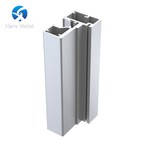
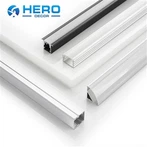
Construction products often require strong protection. Long aluminum profiles may need corner protection and reinforcement, while fragile products may require separators, edge guards, or moisture protection. PPWR does not require suppliers to remove protection at the expense of product quality. It encourages them to achieve the required protection with less unnecessary material and volume.
The regulation requires packaging to minimise weight and volume while maintaining functionality. It also addresses excessive empty space and packaging that creates a false impression of product volume.
For building material suppliers, this supports accurate carton sizing, better nesting of profiles, right-sized inserts, and packaging specifications based on measured damage risks.
Documentation Is Becoming a Procurement Requirement
PPWR increases the importance of evidence. Manufacturers and importers must conduct or ensure conformity assessment, maintain technical documentation, and provide relevant declarations and information. Suppliers must provide manufacturers with the information needed to demonstrate compliance.
Building material suppliers should create a packaging data file for each major product
family. It can record the packaging structure, material types, weight, dimensions, protective function, recycling guidance, and revision history. Accurate records will help purchasing
teams answer customer questionnaires and reduce market-entry delays.
Labels and Supply-Chain Communication Matter More
The European Commission states that a harmonised packaging labelling system is expected to apply from 2028 to facilitate sorting and improve recycling efficiency. Suppliers should monitor the fi nal technical rules before printing permanent packaging artwork, especially when products are shipped to several EU countries.
Clear communication is essential. The packaging supplier, building material manufacturer, importer, distributor, and waste-management operator may each hold part of the
information needed to demonstrate compliance. Incomplete or inconsistent data can create procurement friction even when the physical packaging performs well.
What European Buyers Will Expect
European buyers are likely to ask four practical questions:
1. Is the packaging appropriate for the product and not unnecessarily excessive?
2. Can its materials be identified, separated, collected, and recycled?
3. Can the supplier provide reliable technical information and compliance documents?
4. Can packaging specifications remain consistent across repeat and custom orders?
Suppliers that answer these questions clearly will be better positioned in tenders and long- term sourcing programmes. PPWR readiness is not only a regulatory issue. It is also a signal
of manufacturing discipline, data quality, and supply-chain reliability.
A Practical Preparation Approach
Companies should begin with a packaging inventory covering sales packaging, transport packaging, protective films, pallets, straps, labels, and shipment consolidation materials. Each item should be reviewed for material composition, unnecessary components, empty space, recyclability, and available documentation.
For suppliers such as Hero Metal, this approach creates a stronger basis for serving
European procurement teams. A PPWR-related qualification or certificate may support communication about packaging and compliance management, but it should not be presented as a substitute for the legal responsibilities of each economic operator or as proof that every customer' s packaging system is automatically compliant.
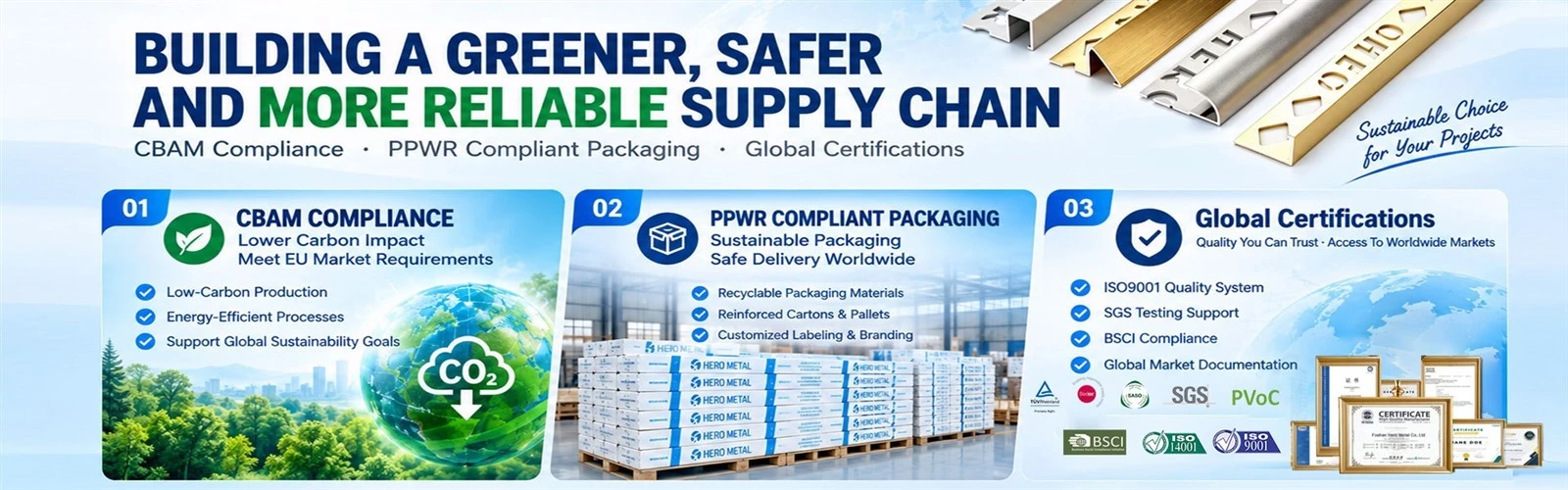
PPWR is connecting packaging design with recyclability, material efficiency, traceability, documentation, and buyer confidence. The strongest suppliers will integrate packaging review into product development, fulfilment, and customer documentation rather than treating compliance as a last-minute label exercise.
For international suppliers targeting Europe, the message is straightforward: protect the product, reduce unnecessary packaging, document the materials, and communicate compliance information clearly. This is the standard that will help suppliers remain
competitive as European buyers move toward more measurable and responsible sourcing.